The Los Angeles Dodgers and Shohei Ohtani are weighing how to use the two-way superstar next year, but one thing is clear: he needs to keep pitching.
After Ohtani was compromised for the last two months of the season and the Dodgers’ offense limped to an NLCS sweep, conversation around Ohtani’s usage naturally erupted.
There have been calls for him to stop pitching and serve only as a designated hitter, with Bill Plaschke going so far as to say the team should trade him if he doesn’t comply.
While, on paper, that seems like a simple enough solution, there is a big downside, one that clips the wings of one of the most magical athletes in sports history
Why some want Ohtani to stop pitching
Since May, Ohtani has suffered a myriad of injuries. At first, it was left knee soreness that resulted in a game of rest, something quite rare early in the season.

All seemed fine as Dodgers manager Dave Roberts downplayed it. Then came a right bicep injury stemming from his pitching work and landing on his left leg, along with his starting-pitcher workload on his right arm, which also gets stressed on his swing.
Ohtani last pitched on July 3rd, and the Dodgers hoped that keeping him out of pitching for a while would let the symptoms subside.
He continued to hit every day, and when the All-Star break came, he opted to stay in LA rather than travel to Atlanta.
In fact, he got treatment on his knee. By all accounts, he looked and felt good after the needed time off.
Shortly after he stopped pitching, he still worked as a pitcher to stay ready and return eventually, though every time he pushed himself, he faced another setback.
Meanwhile, as August progressed, Ohtani looked out of sorts at the plate, with growing discomfort and uncharacteristically big whiffs happening more often.
Ohtani was unwilling to stop playing, and the Dodgers did not want him to stop either; in September, he started getting regular rest to heal and work through his swing struggles, but it ultimately led to an IL stint.
He missed from September 11th to September 23rd, returning for the last week of the season and then the postseason.
After the wild chain of events regarding Ohtani’s health, from the team continuing to claim that he does not need to go on the IL to then suddenly seeing the need for some time off, president of baseball operations Andrew Friedman admitted that there were some communication issues from Ohtani’s side about how much the injuries were bothering him.
“I think in his mind, he just thought that what he was dealing with was more minor,” Friedman said. “Again, the communication back and forth has been awesome. The fully sharing exactly how he’s feeling, maybe not as awesome.”
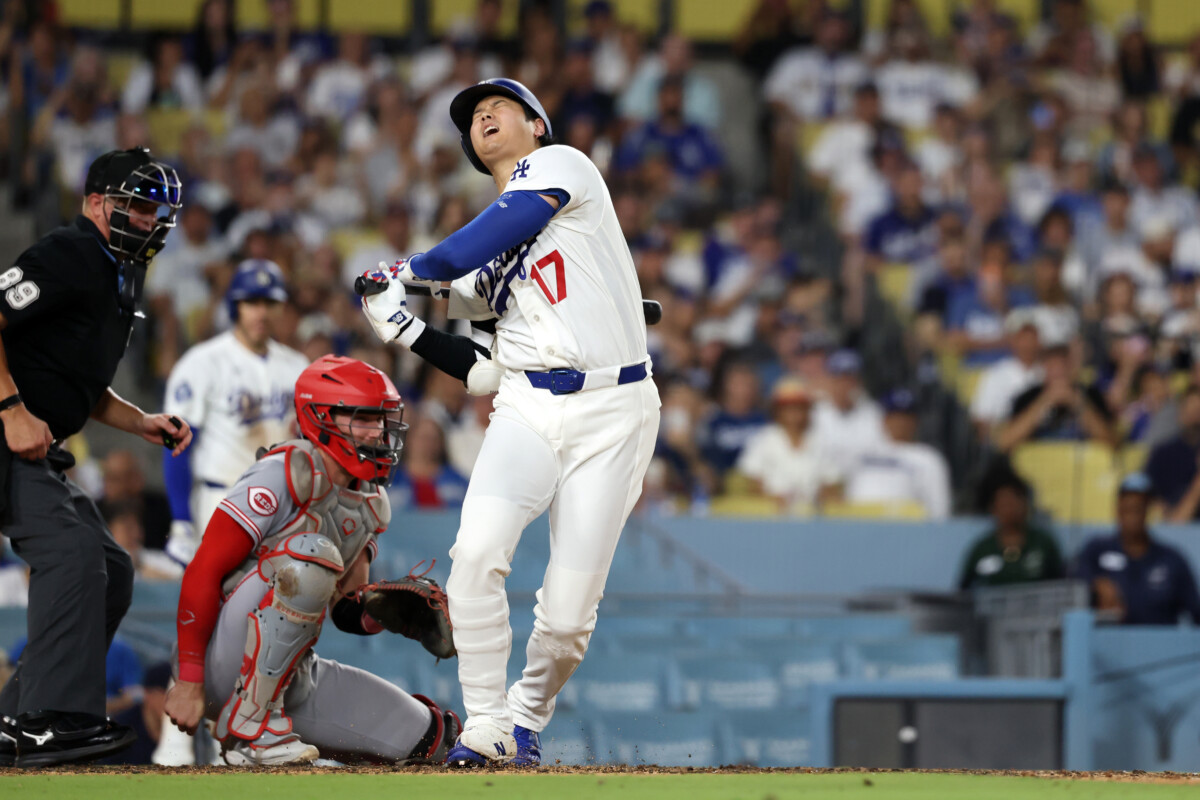
Ohtani slashed .238/.273/.286 when he returned in the regular season, but he looked noticeably better at the plate.
The playoffs were not much better production-wise, hitting.192/.323/.308, but he delivered an electric home run in Game 4 of the NLCS.
After all the media scrutiny over his communication with the organization, it was a nice moment. However, the team still got swept in the NLCS as the offense failed to compete with the Brewers and generate enough runs.
Had Ohtani not pitched all year, he possibly never would have ended up injured, and the Dodgers offense could have had their superstar at full strength in October to carry them.
While all of that may be true, the cost of stopping Ohtani from expressing his unicorn abilities is much higher.
Why Ohtani needs to remain as a two-way player
It was a long time ago, but Ohtani was on pace for the single greatest baseball season of all time for an individual player.
He was trending for 40+ home runs and a sub-2.00 ERA, with a crazy strikeout-to-walk ratio. Until he stopped pitching, Ohtani was firmly in the Cy Young race and a lock for MVP.
At still just 32 years old, Ohtani has a handful more years to possibly take home the MVP and CY Young in the same season, putting together the campaign of his dreams.
He views himself as a pitcher first, and in that role, his ultra-competitive monster is fully apparent.
An unheard-of confidence in his abilities led Ohtani to push for a move stateside without giving up either of his two-way powers, despite all of the naysayers.
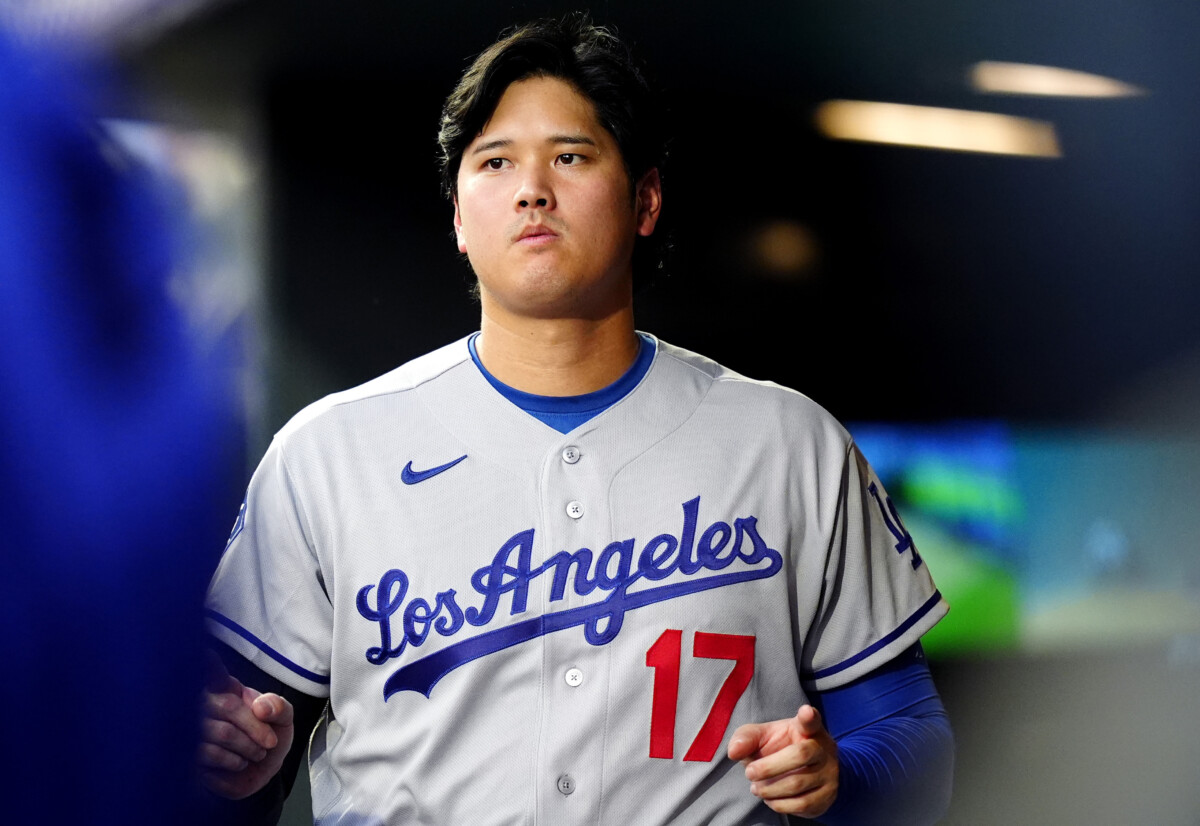
He proved modern thinking wrong and has done both at an elite level, and to take away that incredible self-belief and ambitious side of Ohtani would be criminal.
If things fall apart over the next two or three years, Ohtani may finally see that he cannot keep doing both, but until then, in 2027 and 2028, he should be given the freedom to be himself, even if it is in a controlled setting with pitch counts or extra rest.
For someone who deferred most of his contract so stars would sign with the team, and who has already brought millions in revenue along with two World Series titles, it is the least the team can do.
When he’s right and healthy, his two-way abilities are magic and create an entirely new air around Ohtani.
Friedman and the front office agree, and look dead-set on keeping Ohtani on his way arc.
“This is unprecedented what he’s doing,” Friedman said at his end-of-season press conference. “I’m not only expecting him to pitch, we’re excited about him pitching.
“So now it’s about, how do we do that? How do we manage though a long season and have him at his best going into October. That’s a challenge, and we’ve got to figure it out together.”