With the MLB 2026 season fast approaching, news outlets are releasing their prospect rankings, something baseball fans circle to learn about the future of their teams or the league as a whole.
Ahead of a new season, prospect rankings offer a more hopeful outlook for struggling franchises, a path to continued success for contenders, and a database for any blockbuster trades that go down before the trade deadline.
While rankings of any kind tend to be based on subjective feelings, baseball scouts remove their biases and provide an objective analysis of a player based on what they are currently doing and how they project in the future, while taking into account the direction the sport is going.
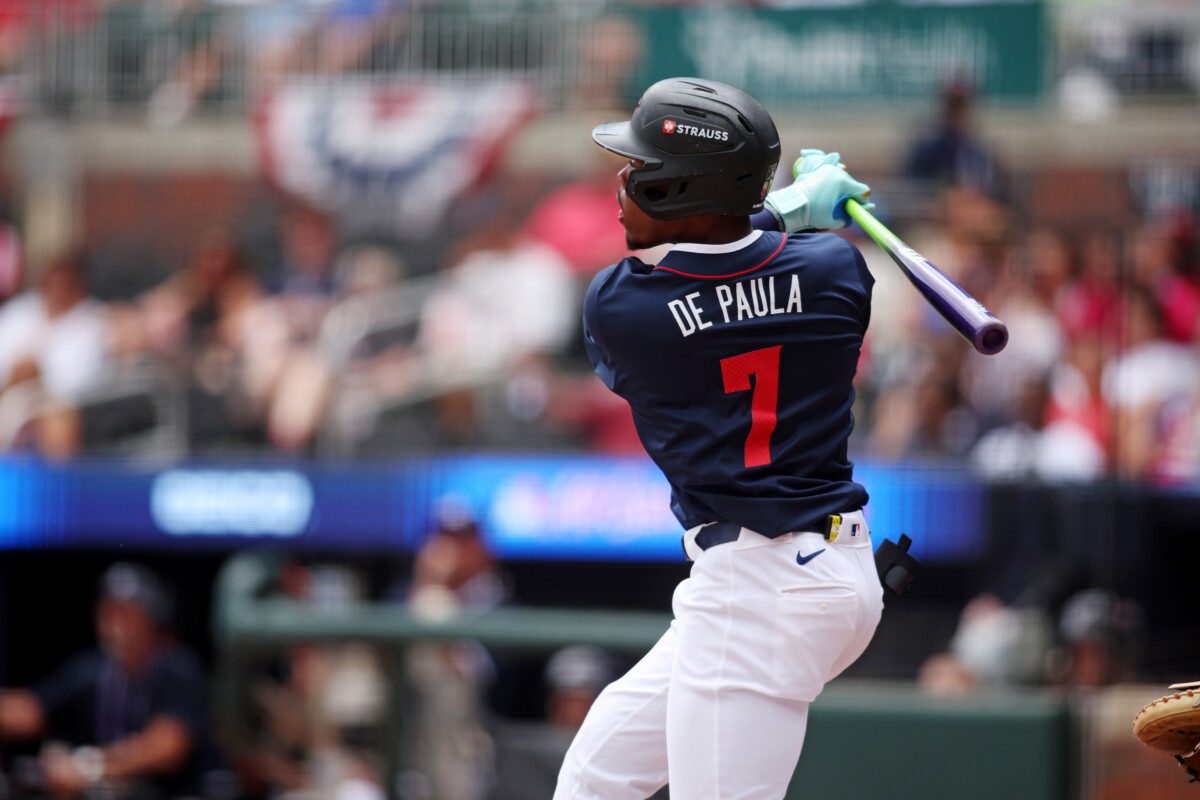
As national outlets release their rankings, here is a breakdown of how players are evaluated by scouts and what goes into their ranking.
Who ranks MLB prospects?
Typically, seasoned MLB writers who tend to follow the minor leagues are the people who take on the responsibility of ranking these young players, taking on lessons from their past evaluations, what they got wrong and right, and applying it in the future.
These scouts tend to look for trends in baseball, knowing what skill sets are valued. In the modern era of baseball, on-base percentage and stuff are highly valued, along with exit velocity and repeatable deliveries.
For The Athletic, Keith Law leads their coverage of prospects, who has worked for ESPN in the past. ESPN now has Kiley McDaniel as its lead evaluator, while MLB Pipeline and Baseball America have teams of evaluators who combine their scouting reports into a database and establish consensus rankings.
How are prospects graded?
Scouts have adopted a rating system that ranges from 20 to 80. Position players are graded in five categories — also known as tools.
The five tools are their hitting ability, which includes their approach at the plate and contact skills, their power, their speed on the bases, how strong their throwing arm is, and their overall fielding ability.
For pitchers, each pitch is graded from 20 to 80 for effectiveness, which includes how much movement the pitch gets, how hard and consistent the velocity is, and the break it carries.
Additionally, pitchers are graded on their command, taking into account how they locate all of their pitches.
What do scouts take into account for their rankings?
Law, who has been providing rankings for years and has experience in the front office with the Toronto Blue Jays, broke down what he considers when scouting, projecting, and ranking players.
“This isn’t just a ranking of which prospects had the best seasons in 2025. There are players on my list who had worse statlines than some players who weren’t on the list. This ranking is about future potential, about how I think these players and others will grow and develop over the next several years, how their skills and bodies will change over time for better or for worse,” Law wrote as his explanation for his rankings.
“That means looking at their performance, at the underlying data, watching players live and on video, talking to scouts and analysts, and more to try to come up with coherent projections for their near- and long-term outlooks.
“Players change constantly, and we all need to update our opinions on them accordingly. Kevin McGonigle is the No. 2 prospect in baseball right now, but he wasn’t even drafted in the first round out of high school; like the man who was turned into a newt, he got better. I thought he was a pretty good prospect out of high school. I didn’t think he was Rogers Hornsby.
“The minors are extremely hitter-heavy right now, with position players accounting for three-fourths of the names on the top 100.
“Pitchers are getting hurt at higher rates, and they produce less in the majors because they don’t rack up as many innings, which is (mostly) a smart baseball strategy but hasn’t helped the on-field product’s appeal — nor has it kept anyone healthy.”