The Los Angeles Dodgers were eliminated in brutal fashion, getting swept by the Milwaukee Brewers, but two amazing comeback stories emerged toward the end of the season.
The expectations
The Dodgers’ two biggest offseason additions were Edwin Diaz and Kyle Tucker. Tucker inked a four-year, $240 million deal, and Diaz signed a three-year, $69 million contract.
Both arrived with high salaries and equally high expectations.
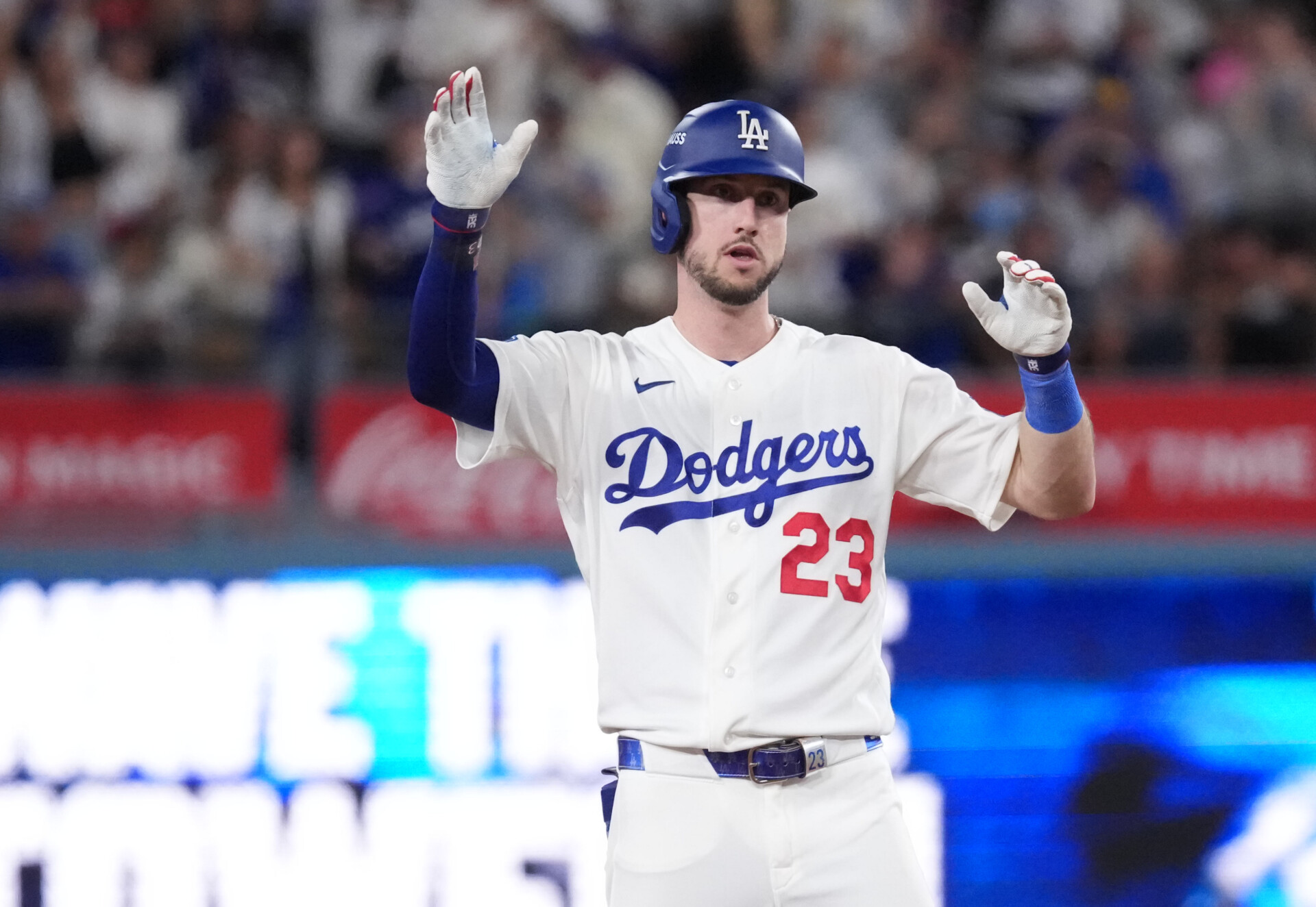
Tucker was meant to complement an aging core by adding a younger bat, while Diaz was supposed to be a shutdown closer, something the bullpen lacked in 2025.
However, their regular seasons were anything but.
Tucker and Diaz’s disappointing season
Edwin Diaz posted an 8.68 ERA in the regular season, pitching in just 21 games because of injuries. He had elbow surgery and then some neck inflammation.
Even more concerning than his availability was that, when he pitched, he threw hanging sliders and fastballs with no movement, leading to a ton of hard contact.
For someone signed to be a closer, just 7 saves in 11 save opportunities wasn’t good enough.
Tucker, on the other hand, had a better year overall (0.7 bWAR vs. Diaz’s -0.9 bWAR). However, for a multi-time All-Star and Silver Slugger, it was disappointing.

The lefty hit just .233/.330/.385, with a .715 OPS, just below league average.
At multiple points, Tucker was valued as a replacement-level player, a far cry from what you’d expect for someone making $60 million.
After fans and observers ruled them busts and poor signings, both found their stride in September.
How Tucker and Diaz turned things around
Diaz looked like a new man when he returned in mid-September after being placed on the injured list for a neck issue. He made five appearances, allowed just one hit and a walk, and struck out nine.
He quickly made his way into the closer conversation, before getting that nod in the postseason.
Diaz earned two saves in the NLDS, pitching three times, and looked very good and in command. He pitched only once in the NLCS because the Dodgers couldn’t hold a lead. He came in during Game 4 and made a brave effort, pitching three innings and allowing one home run.
All in all, Diaz got his bit of redemption, and he deserves a ton of credit.
Even more impressive was Tucker’s turnaround. He led the Dodgers, out of those who played all eight games, in batting average, on-base percentage, slugging, and OPS.
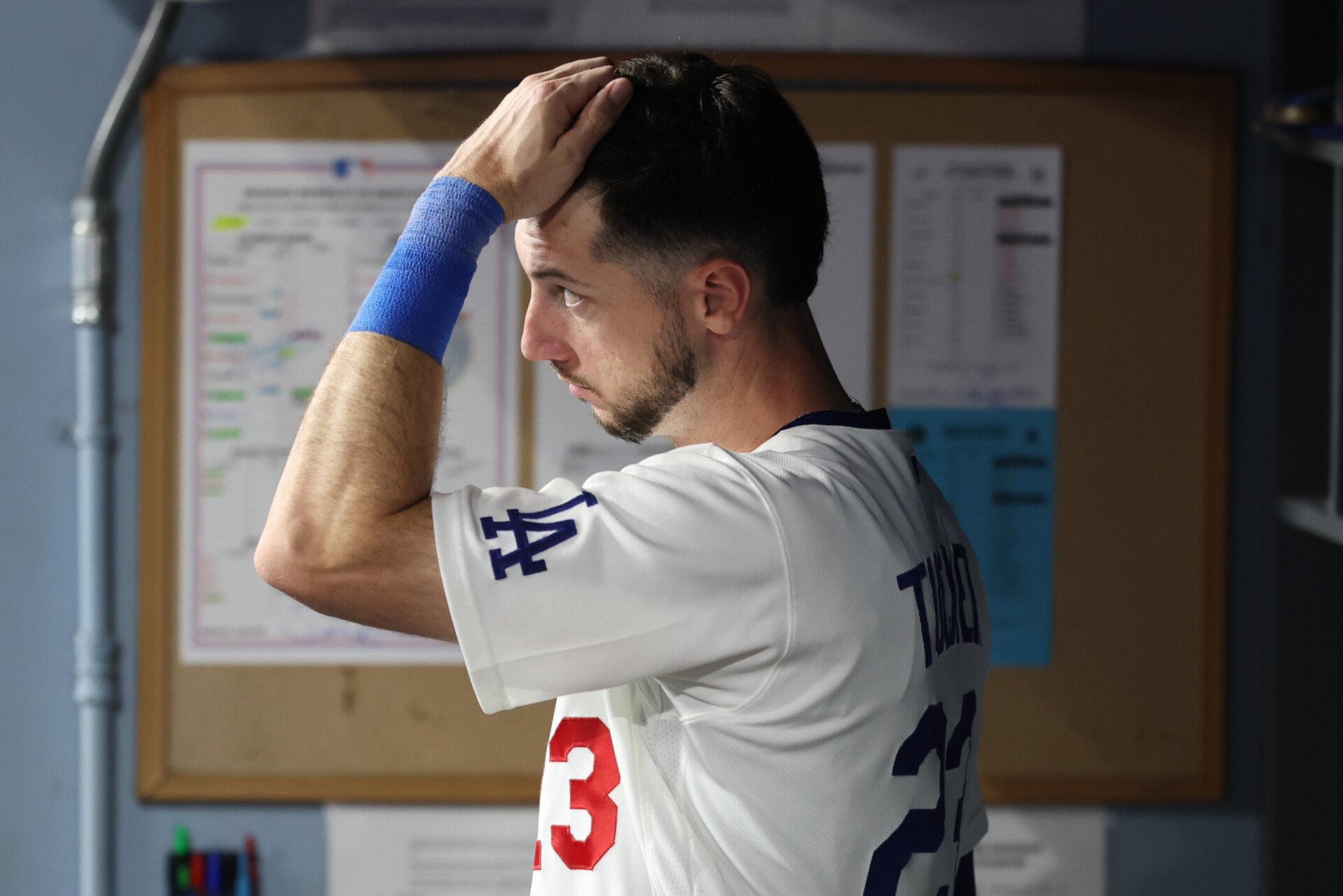
He finished with a .333/.419/.519 slash line, along with a .938 OPS. Tucker was a sensation in the postseason, even hitting two doubles, a home run, and stealing two bases in the Dodgers’ three games.
His postseason wasn’t perfect; in Game 4, he could have driven in a crucial run, but his pop-up was too shallow.
Still, compared to how he played most of the season and how out of sorts he seemed, his step-up should be celebrated.
The season ended on a whimper for the Dodgers, but Tucker and Diaz should be relied on in 2027 as key regular-season contributors and to step up again in the postseason.